A moment in “Stranger with a Camera” by Elizabeth Barret that stands out to me is when Bobby Kennedy visited eastern Kentucky with a camera crew following his every movement. He visited some of the poorest areas; the main purpose of this trip was to highlight Appalachian poverty for the nation. The moral and psychological tension in this scene coincides with the contradictory reactions of the people being filmed. Some residents hoped that media attention would improve their lives, that national visibility would lead to investment or reform. Others, however, objected to that, feeling as if they would be blamed for the conditions that are portrayed (photo 1). In addition, there is a deep sense of violation and shame, as if the camera transformed their everyday hardships into a spectacle of pity. Barret captures this tension through careful editing, contrasting idealistic commentary about Kennedy’s “war on poverty” with the guarded or resentful expressions of those being recorded. The film makes visible a painful question: does being seen by the outside world bring dignity, or does it take it away? Baret also states that she “found these films insulting…when filmmakers only focused on the deprivation and didn’t look past it at the people who are the real wealth of the culture” (Barret Stranger with a Camera), meaning that she wanted to focus on the people rather than what surrounds them, which is ironic because as shown in the photo 2, she states this in a “god like” voice over on pictures of areas in poverty with no people.
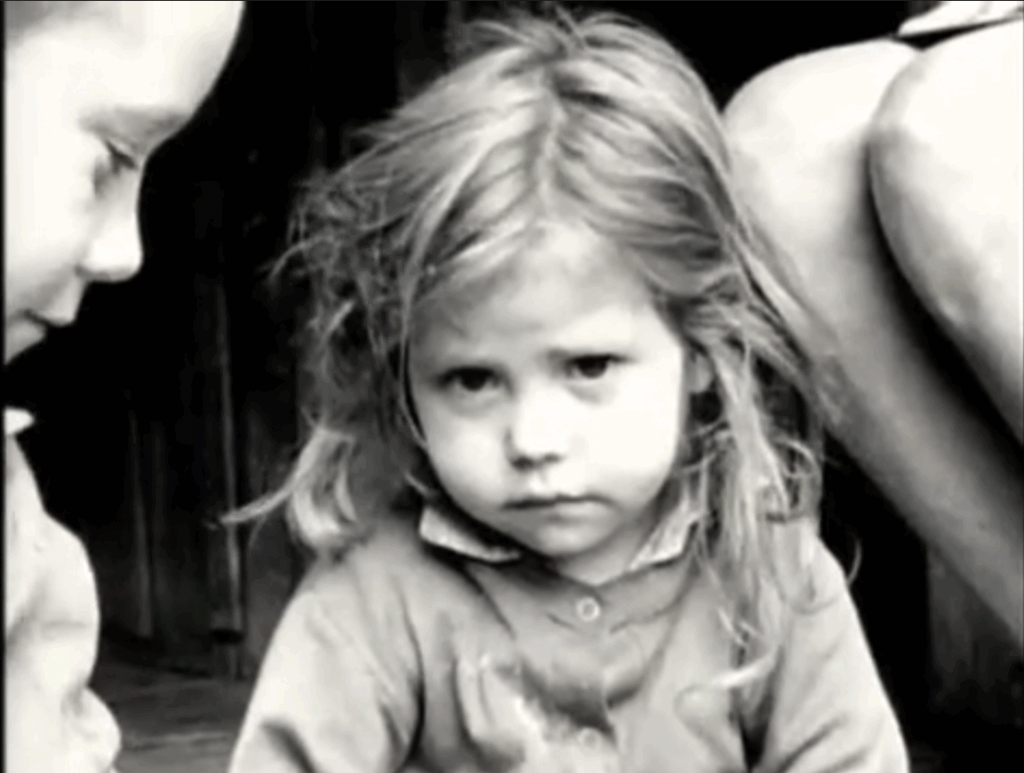
Photo 1. “Boy smiling with girl looking sad, camera work from Bobby Kennedy visit,” Elizabeth Barret, Stranger with a Camera, 2000.
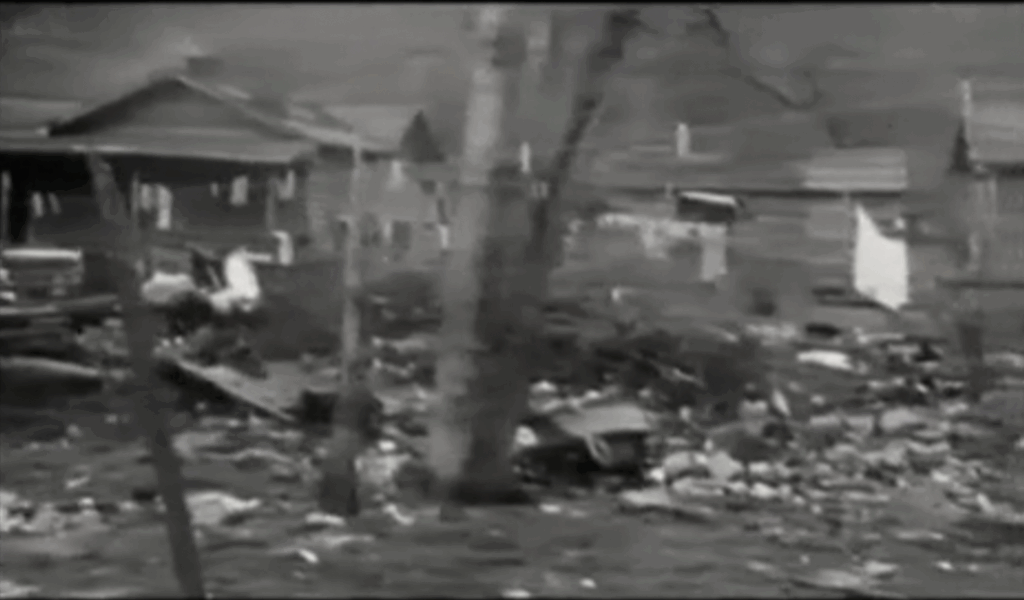
Photo 2. “Photo of place of poverty in Kentucky,” Elizabeth Barret, Stranger with a Camera, 2000
This tension reflects what Robert Coles describes in “Doing Documentary Work”, when he writes that a documentary “attempts to portray a particular life realistically…through informants, witnesses, participants, … the camera and tape recorder…” (Coles 5). Coles points out that such portrayals always involve mediation with the filmmaker’s tools, choices, and perspective, shaping what reality becomes visible. Even with the goal of honesty, documentation changes the people and places it touches. Barret’s film takes this insight seriously, acknowledging that the very act of filming is never innocent; it carries moral responsibility as well as responsibility to the people and community it represents.
Barret addresses the issue through self-scrutiny by acknowledging that she is both an insider and an outsider, an Appalachian who also belongs to the same media culture that once misrepresented her community. Through her narration and reflective tone, she continually questions her authority to tell this story. Rather than pretending to offer an objective account, Barret uses “Stranger with a Camera” to question her authority, exploring how storytelling can cause more harm when it is meant to heal. In doing so, she enacts the ethical modesty that Coles calls for, documentary work that constantly interrogates its own power to represent, and its limits in capturing another’s truth.
Leave a Reply